Stop making 10% improvements. Jump the curve.
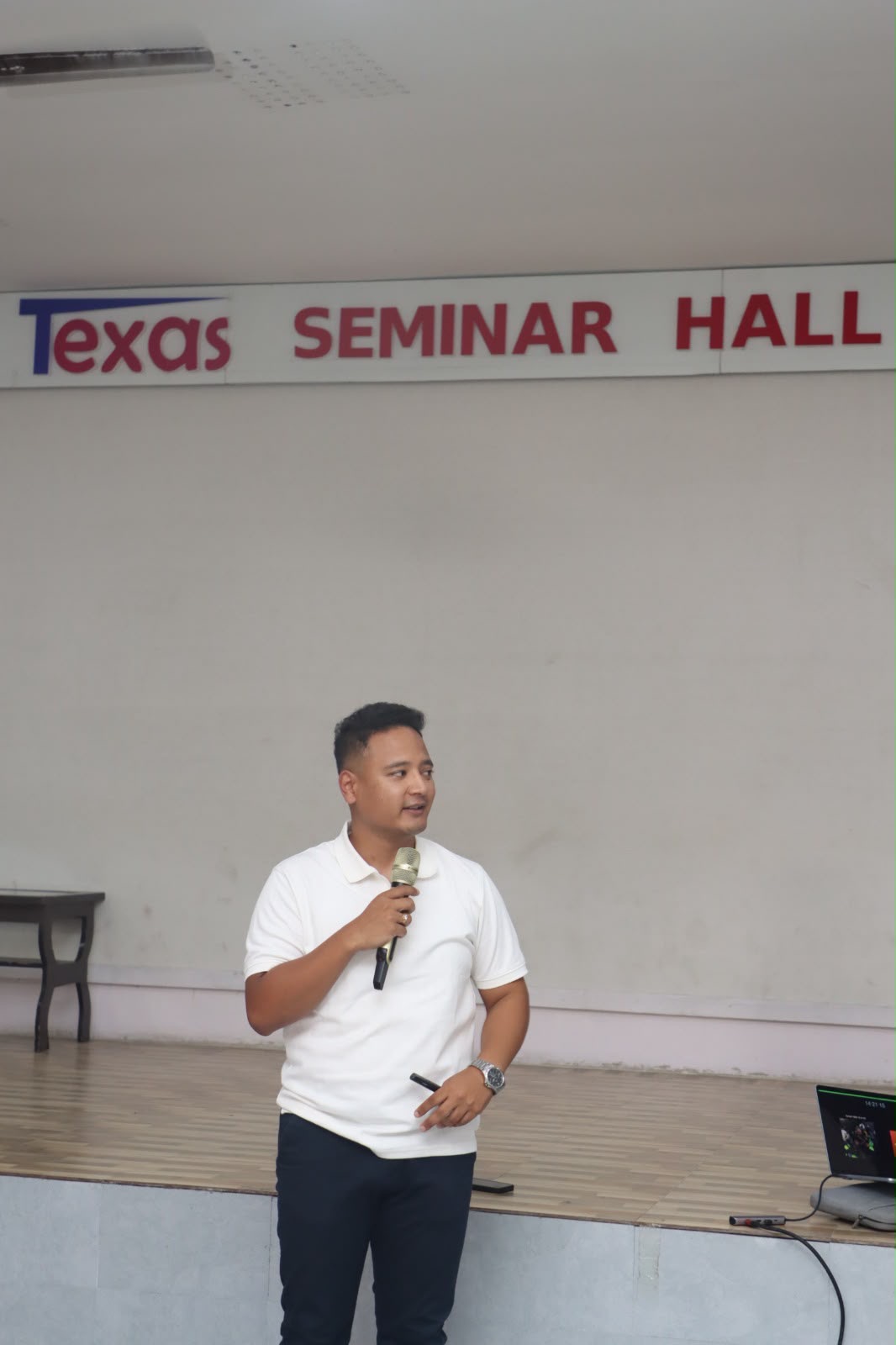
I recently had the privilege of standing in front of 40 aspiring young founders at the Business Incubation Services (BIS) Program at Texas International College. The room was full of energy, bright ideas, and a genuine desire to solve local problems across municipalities like Gokarneshwor, Kageshwori Manohara, and Shankharapur.
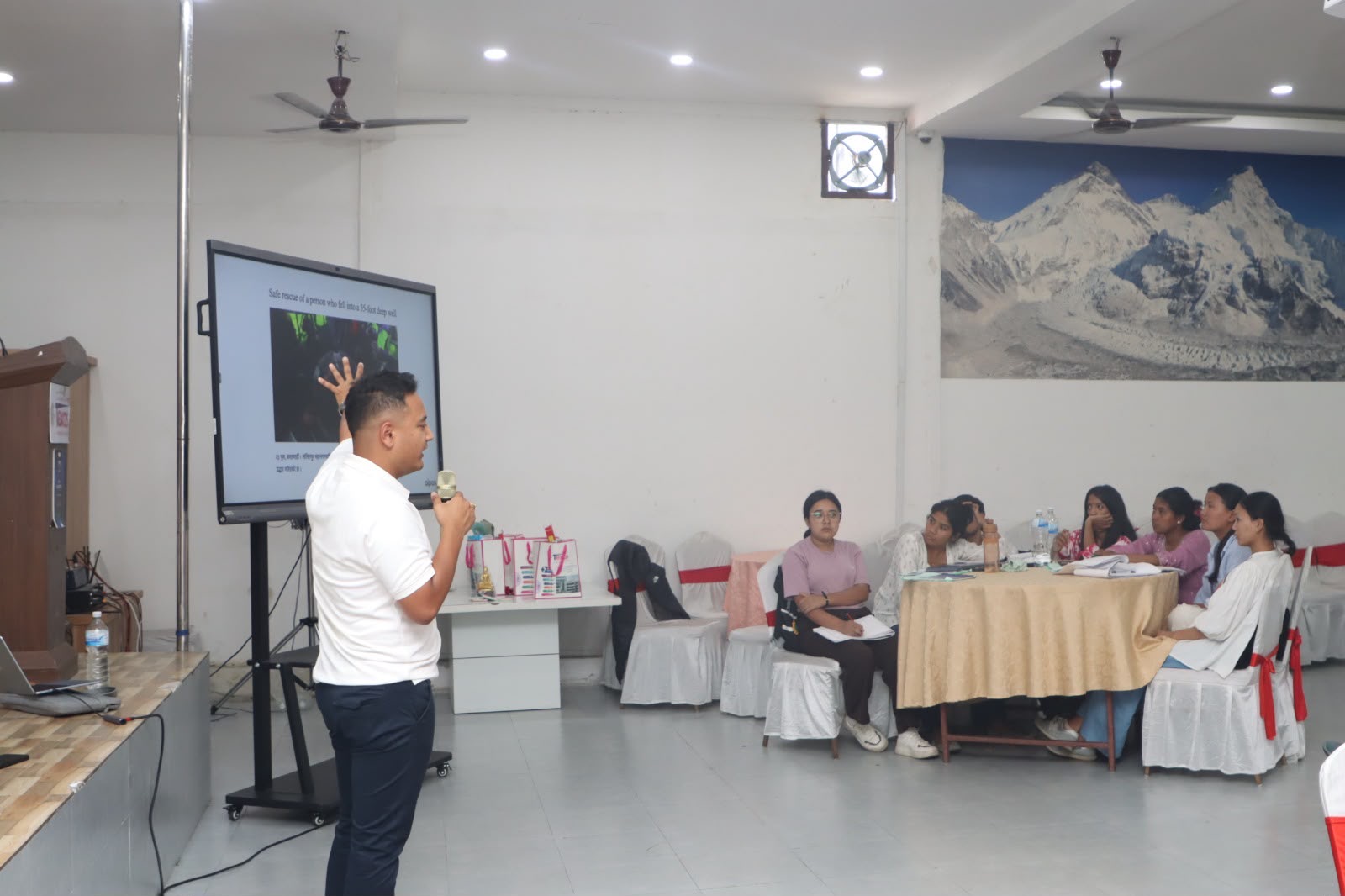
But as we started discussing their Minimum Viable Products (MVPs), a common theme emerged- one that plagues the broader Nepalese startup ecosystem. Many founders aren't actually innovating; they are just making a bad system 10% better.
In Silicon Valley, legendary investor Guy Kawasaki outlines a concept in his book The Art of the Start 2.0 called "Jumping the Curve." He explains that true innovation doesn't happen by improving the status quo. In the 1800s, people harvested ice from frozen lakes. A 10% improvement was simply inventing a bigger saw. But the true innovators didn't buy bigger saws- they invented the ice factory. They jumped the curve. Then, the next wave of innovators didn't build better factories- they invented the refrigerator.
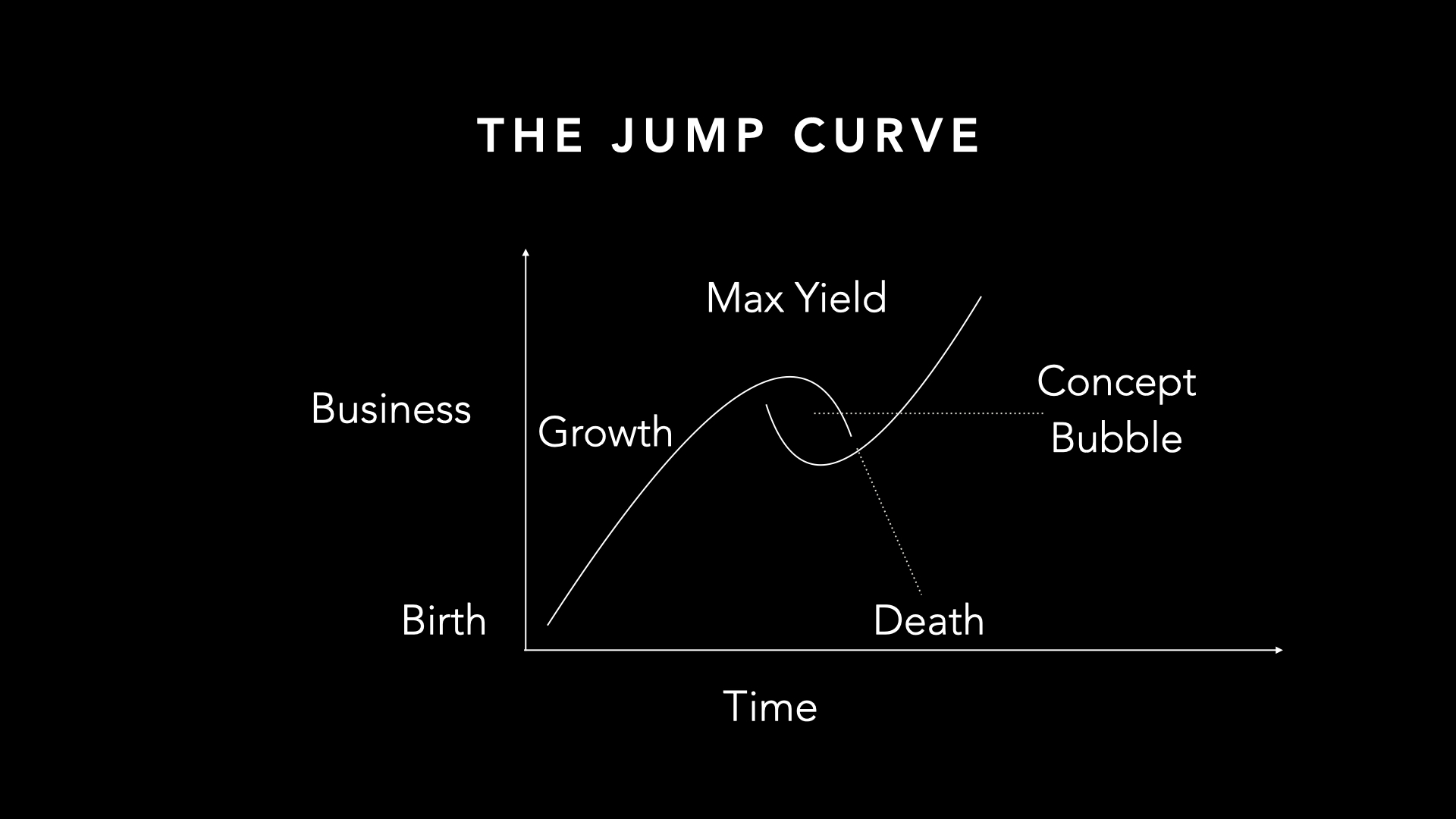
In Nepal, we have spent decades buying bigger saws.
When my team at Alpas Technology looked at the chaos of local ward offices- citizens standing in long lines, confused about which room to go to, staring at faded flex-print boards- we knew that printing a slightly bigger, brighter flex board wasn't the answer. We needed to jump the curve. That realization led to the Digital Citizen Charter, digitizing the entire bureaucratic process to make governance transparent and accessible via screens and mobile devices.
If you want to build tech that actually matters in Nepal, you have to stop building better flex boards and start building refrigerators. How do you do that? You roll the DICEE.
Rolling the DICEE for Local Solutions
Another brilliant framework from Kawasaki is DICEE. It dictates that great products must be Deep, Intelligent, Complete, Empowering, and Elegant. During the session, we mapped this directly to the realities of building B2G (Business-to-Government) and B2C tech in our local context, using LMC Alert (our civic alert app for Lalitpur Metropolitan City) as the benchmark.
Here is what it takes to build a DICEE product in Nepal:
Deep (Anticipate the True Need): A shallow product blasts generic SMS messages to an entire city. A Deep product like LMC Alert allows for ward-level targeting, ensuring that a sudden water supply disruption is only broadcast to the specific neighborhood affected.
Intelligent (Solve Smartly): Nepalese bureaucracy changes rapidly. An Intelligent product doesn't require a developer to rewrite code every time a ward office changes a room number. It provides a smart backend so municipal staff can update requirements instantly.
Complete (The Whole Ecosystem): A beautiful app is useless if the local officials don't know how to use it. A Complete product means delivering the software, the secure backend, the onboarding process, and the hands-on training for the government staff.
Empowering (Give Users Control): This is the most crucial element in our context. By making civic data and processes transparent, you cut out the middlemen who exploit confusion for illegal fees. You empower the citizen.
Elegant (Frictionless UI/UX): Digital literacy in Nepal varies wildly. An Elegant product strips away cluttered, text-heavy designs. It uses clear iconography, large fonts, and native Nepali language support so that a 60-year-old shopkeeper can navigate it just as easily as a 20-year-old university student.
The Ultimate Takeaway: Execution Over Ideas
The most important lesson I shared with the cohort—and the one I want to leave you with here—is that in Nepal, your execution is your only true credential.
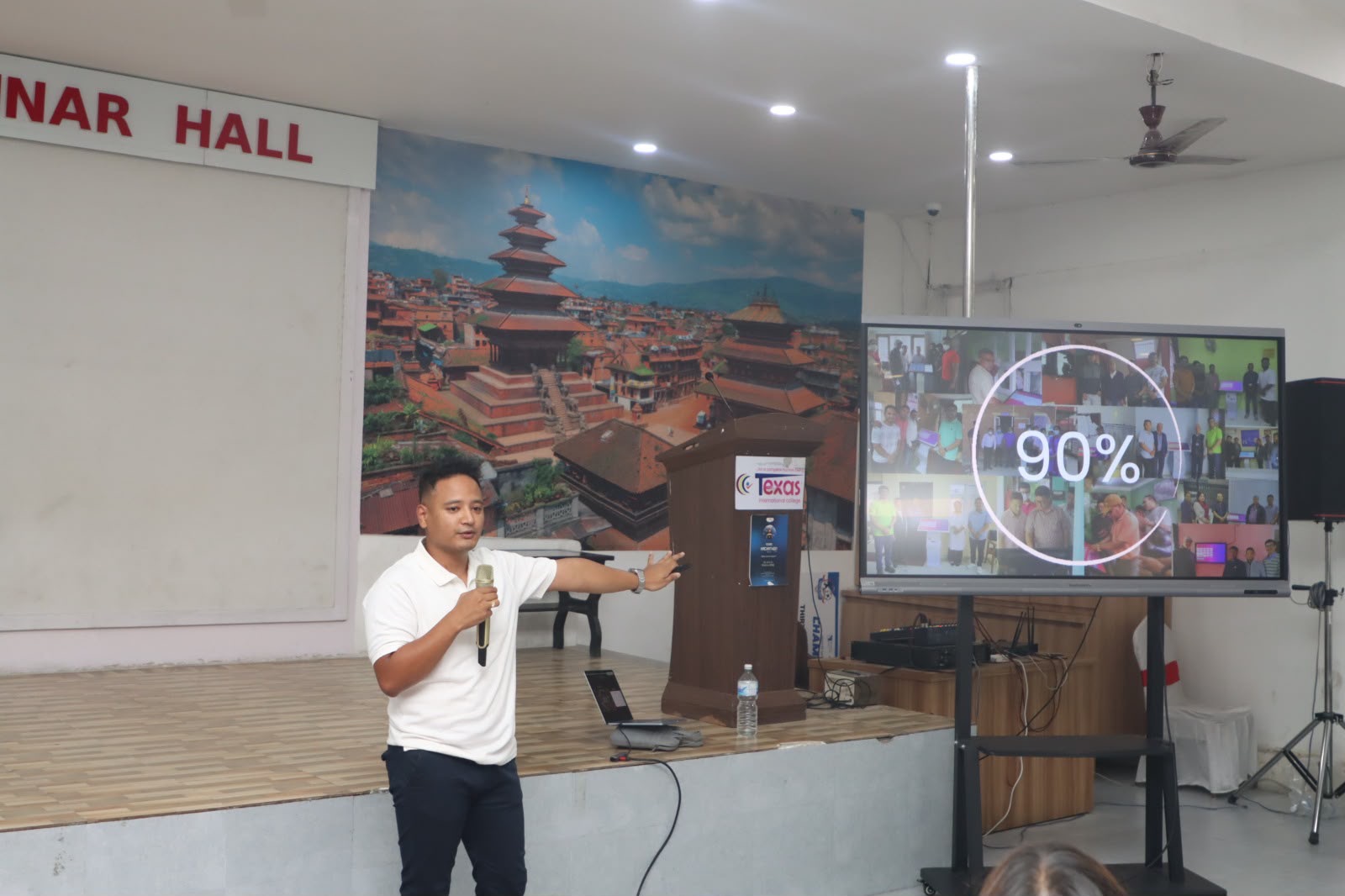
Nobody bought LMC Alert or the Digital Citizen Charter simply because of a pitch deck or a resume. Local governments and users adopted these tools because we put working prototypes in their hands and proved we could eliminate their friction. We turned civic complaints into our core products.
If you are an aspiring founder looking at the challenges in your municipality, don't just complain about the friction. That friction is your customer waiting for a solution. Stop planning, start building, and go jump the curve.